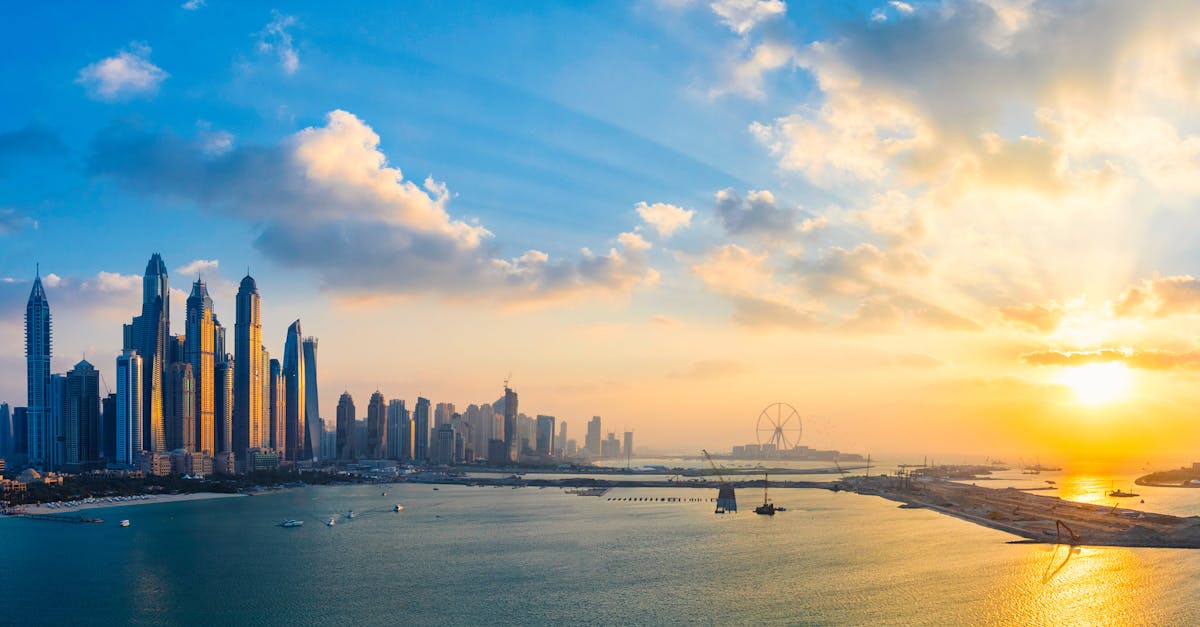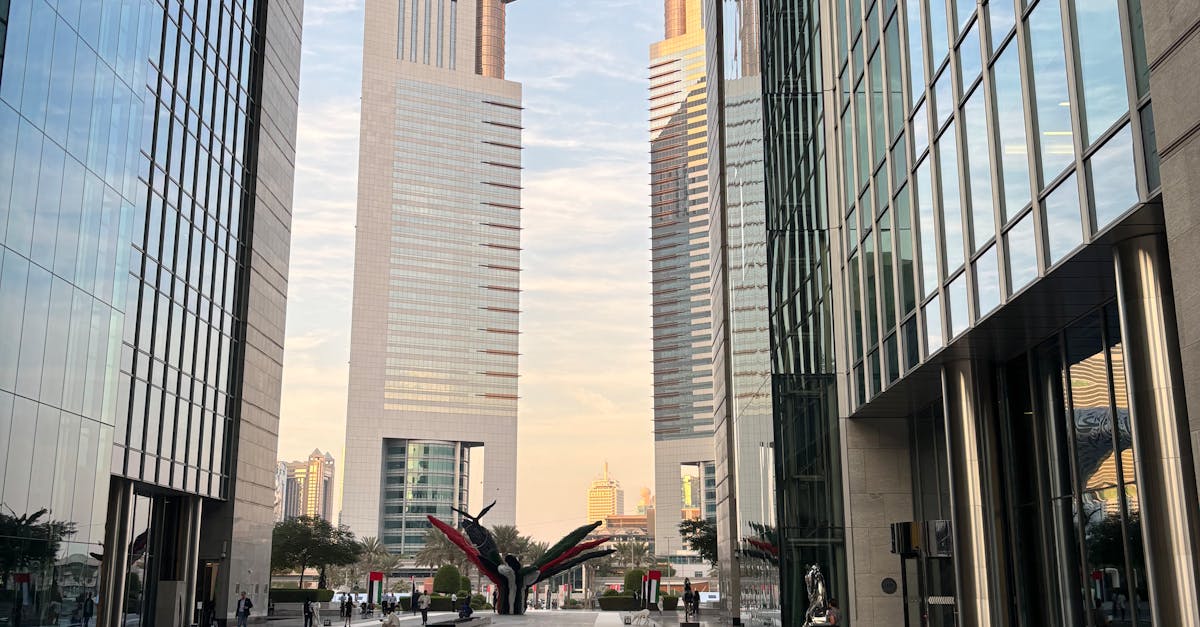
Dubai's skyline is a testament to innovative architecture interspersed with luxurious living spaces. As the city continues to grow and transform, purchasing property continues to be a popular investment strategy, particularly for those considering off plan properties. If you're pondering the idea of investing in Dubai’s booming real estate market but are unsure about what off plan means or what steps to take, this guide aims to illuminate the pathway for you.
Before diving into the intricacies of buying off plan property in Dubai, let’s clarify what the term "off plan" means. Essentially, buying off plan means purchasing property that is not yet constructed or is in the early phases of development. The buyer secures the property based on architectural designs and plans, often before any physical structures are in place.
The allure of off plan properties lies in their potential for capital appreciation. Buyers often secure properties at lower prices, anticipating a significant increase in value once the development is completed. This strategy, however, can be fraught with risks and complexities.
One of the driving forces behind purchasing off plan properties in Dubai is the city's ongoing development projects. For example, the Expo 2020 has had a remarkable ripple effect on the entire real estate landscape, kicking off an extensive wave of new constructions and plans for the future. Investors can take advantage of lower initial prices and attractive payment plans that development companies offer.
Moreover, the potential for high returns is a significant lure. Investors often report that properties purchased off plan can appreciate anywhere between 15% to 30% by the time construction is completed, depending on market conditions and developer reputation.
Before making an off plan purchase in Dubai, familiarizing yourself with the rules and regulations is crucial. The Dubai Land Department governs property transactions and has established laws to protect buyers.
First and foremost, ensure that the developer is registered with the Real Estate Regulatory Agency (RERA). Buyers can access the developer's track record, along with any past projects they have successfully completed. This verification not only offers peace of mind but is vital for assessing risks associated with your investment.
Moreover, buyers must deposit a percentage of the purchase price upfront—usually ranging from 10% to 30%—followed by milestone payments as construction progresses. This staggered payment system is an excellent way to monitor the development's progress and ensures that you're not financially overstretched.
Investing in off plan properties requires careful consideration of the developer behind the project. With the rise of numerous contractors and real estate companies, selecting a reputable developer is paramount to your investment’s success.
Start by investigating the developer’s history and portfolio. Are they known for timely project completion? Do they have positive reviews from previous buyers? For example, Emaar Properties is renowned for its quality projects, including the Burj Khalifa and Dubai Marina, while Damac Properties has made its mark with luxury developments.
Additionally, consider checking their financial stability. Well-established developers are more likely to complete projects on time and within budget. Look for testimonials and seek references from previous buyers or real estate agents familiar with the developer's reputation.
After selecting a developer, it's time to engage in due diligence. This crucial step involves researching the property location, amenities, and the overall market situation.
Location is undeniably one of the most critical factors when purchasing off plan property. Check for upcoming infrastructure projects—these could significantly influence property values. For instance, the opening of new metro stations can enhance accessibility, subsequently boosting demand for nearby properties.
Furthermore, consider the community’s planned amenities. Is there a school or medical facility nearby? What about parks or shopping centers? A well-rounded community with accessible amenities typically has better rental yields and great investment potential.
Market dynamics can significantly influence your investment return. Understanding the current economic climate, demand and supply ratios, and typical ROI in various neighborhoods can help you make informed decisions. Engaging a local real estate agent is advisable; they can provide insights and assist with market comparisons and property assessments.
Once you have completed your due diligence and selected a promising project, the buying process will begin. Here’s what you typically should expect:
After making your choice, you'll need to reserve the property—a process often requiring the initial deposit. During this stage, it's advisable to review the sale and purchase agreement (SPA) carefully. Ensure that all conditions match your expectations and protect your interests effectively.
The SPA is a crucial legal document outlining the deal between you and the developer. Key points to ensure clarity include payment schedules, completion dates, and terms related to the delivery of the property. It is highly recommended to engage a legal expert, specializing in UAE real estate, to review this contract.
As the completion date approaches, be prepared for the handover process. Developers often notify buyers of an imminent completion with a specific timeline. Be diligent during the final inspection of the property, comparing the completed work against the original plans outlined in your SPA.
Any discrepancies should be addressed before acceptance. Remember, the handover also involves final payments, including the transfer fee and registration charges.
Purchasing off plan property in Dubai presents both unique opportunities and potential challenges. By understanding your options, conducting thorough due diligence, and partnering with reputable developers, you can position yourself to make a sound investment.
As Dubai continues to expand and develop, off plan investments can be not just a lucrative financial opportunity but also a chance to be part of this vibrant city’s exciting growth story.
What are the risks of buying off plan property in Dubai?
Risks include potential construction delays, changes in planned designs, or market fluctuations that may affect property value. It's crucial to assess the developer’s track record and project reviews thoroughly.
How does payment work for off plan properties?
Payments are generally made in installments based on construction milestones outlined in the sale and purchase agreement.
Can foreign investors buy off plan properties in Dubai?
Yes, Dubai allows foreign nationals to purchase off plan properties. However, specific criteria and regulations must be followed. Always consult with a local real estate expert to understand the procedures.
What happens if the developer fails to complete the project?
Buyers are typically protected under the Real Estate Regulatory Agency's laws, and legal routes exist for pursuing claims against defaulting developers.
Do I need to visit Dubai to purchase off plan property?
While it is not compulsory, visiting the location can provide firsthand experience of the property and community, ensuring that your investment aligns with your lifestyle and expectations.
Experience a new standard in Dubai real estate where expertise, trust, and design come together. Our team is ready to guide you through every step of your property journey.